Pop Culture and the Athlete-Brand Era: How Motorsports Style Became a Lifestyle Movement
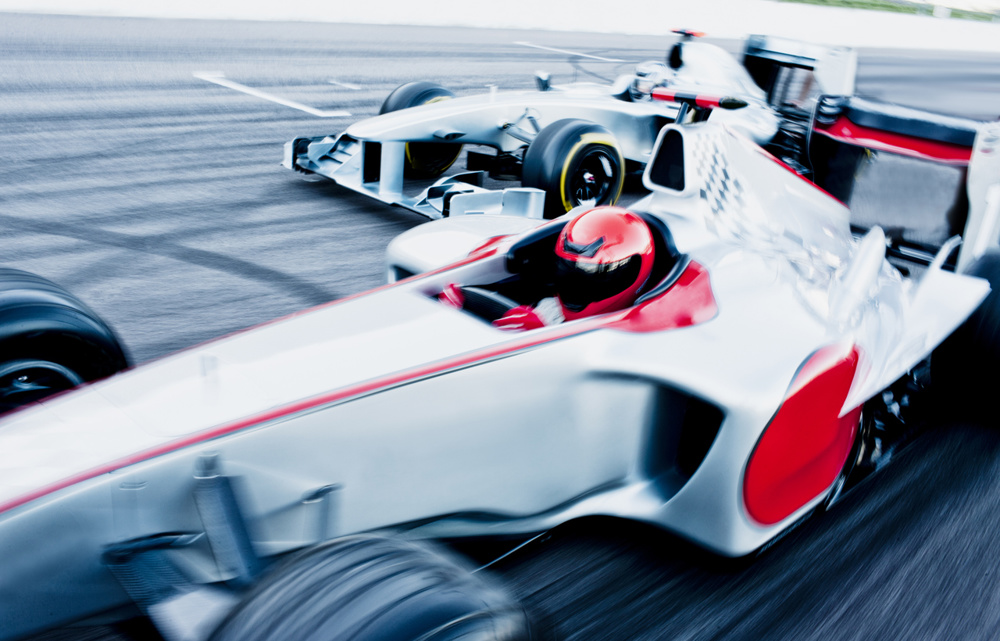
Motorsports used to exist in its own lane—fast, technical, and largely separate from mainstream culture. Today, that separation is gone. Formula 1, endurance racing, and motorsport aesthetics have crossed into fashion, music, and digital culture with surprising speed. What was once a niche interest is now a global identity marker, shaped as much by social media and style as by lap times.
This shift isn’t just about growth—it’s about transformation. Motorsports are no longer just something people watch. It’s something they wear, follow, and build into their everyday lives. And at the center of this change is a new figure: the athlete as a brand.
How Motorsports Became a Mainstream Culture Moment
The rise of motorsports into mainstream culture didn’t happen by accident. It was driven by visibility, accessibility, and storytelling. Series like Formula 1 expanded their global reach, but just as importantly, they became easier to follow.
Behind-the-scenes content, streaming platforms, and personality-driven narratives turned drivers into recognizable figures rather than distant competitors. The sport became more than technical—it became emotional. Fans began engaging with drivers as individuals, following their rivalries, lifestyles, and personal brands.
Race weekends turned into cultural events, drawing in audiences who might not have been interested in the sport itself. What emerged wasn’t just a larger audience, but a different kind of audience—one invested in identity as much as competition.

The Streetwear Takeover: Racing Aesthetics Hit the Runway
What started on the racetrack didn't stay there—it hit the runway hard. Designers are pulling directly from motorsports—racing stripes, checkered patterns, and high-contrast color blocking are reshaping collections for 2025. You're seeing leather silhouettes, metallic accents, mesh panels, and aerodynamic cuts move from pit lanes into high fashion without apology.
Brands like Off-White, Anti-Social Social Club x F1, and Grantiro aren't just borrowing aesthetics—they're building full identities around them. Grantiro specifically pushes sustainable materials sourcing, proving racing-inspired style doesn't have to cost the planet.
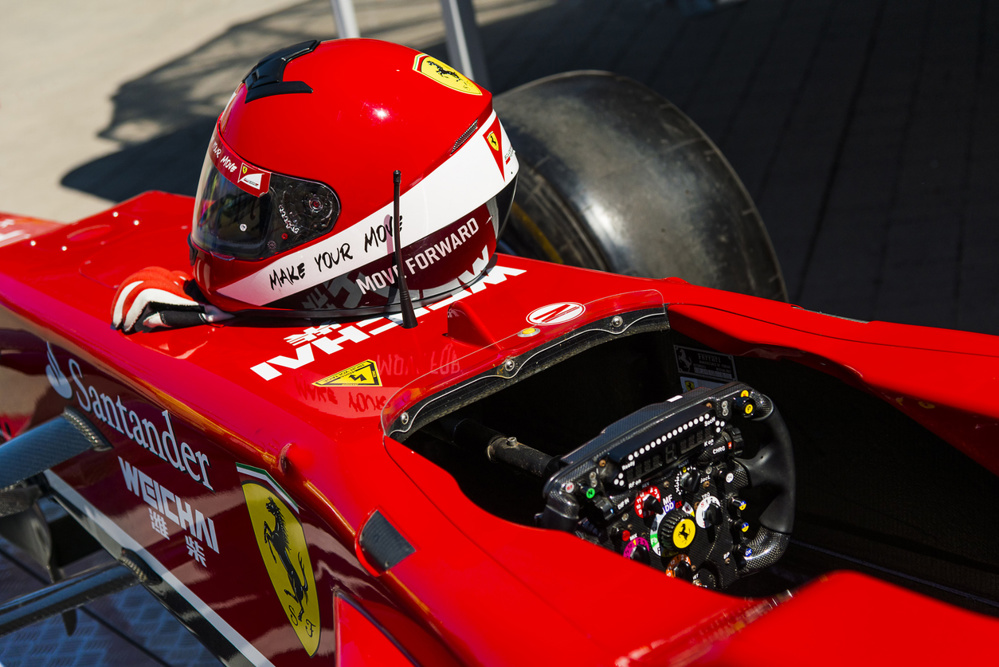
Meanwhile, wearable technology trends are influencing how pieces perform—moisture-wicking fabrics, ergonomic cuts, and flame-resistant treatments are showing up in everyday wear. Bold Ferrari reds, metallic sneakers, and checkerboard bags aren't niche anymore. You're wearing the culture now. Luxury brands incorporate motor racing influences into their collections.
The Athletes Building Lifestyle Brands Beyond the Track
Everyone from Formula 1 drivers to rally racers is cashing in on the lifestyle boom—and the numbers back it up. Athlete-inspired collections are reshaping how fans engage with sport culture. Raheem Sterling launched tailored menswear brand 1692, while Patrick Mahomes locked in a 10-year, $100 million Adidas deal. These aren't vanity projects—they're calculated business moves.
Global sponsorship expansion is fueling the momentum. F1's global partners doubled from 12 in 2020 to 27 today, and sponsorship revenue hit $677 million in 2025. LVMH alone committed $150 million per season over a decade.
With the athlete endorsements market projected to reach $3.69 billion by 2033, you're watching athletes evolve from competitors into full-scale brand architects—and the runway's wide open. Naomi Osaka demonstrated just how lucrative this evolution can be, becoming the highest-paid female athlete in 2021 with $55 million earned through endorsements alone.
Why Gen Z Is Making Motorsports Cool Again
At the heart of this transformation is a generational change. Gen Z approaches sports differently. Instead of following teams or traditions, they follow people, stories, and aesthetics. They engage across platforms, resharing content, building communities, and shaping narratives in real time.
For this audience, motorsports isn’t just about racing—it’s about identity. Drivers become figures to align with. Styles become signals of belonging. Content becomes part of daily consumption rather than occasional viewing.
This explains why motorsports has gained traction so quickly among younger audiences. It offers a complete package: speed, drama, visual identity, and personal storytelling. And most importantly, it’s highly shareable.
Check out MrPopCulture.com and learn more about pop culture trends in Motorsports and athlete-brand era.
Music and Festivals Giving Racing Its Cultural Edge
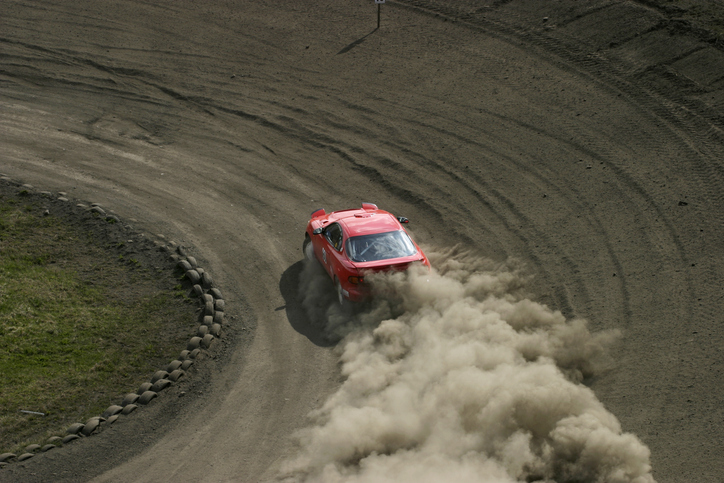
Racing and music have always shared the same heartbeat—loud, fast, and unapologetically alive. Today, that connection runs deeper than ever. Festivals like Coachella and SXSW aren't just music events—they're cultural accelerators shaping how you experience motorsports as a lifestyle.
Genre blending musical collaborations between racing brands and artists are redefining what it means to be a fan. You're no longer just watching a race; you're living inside a full sensory culture. Emerging motorsports inspired artists are sampling engine sounds. From building visual aesthetics around circuits, and dropping collections that blur the line between pit lane and festival grounds.
Racing is borrowing music's emotional language, and the result is a culture that hits harder, faster, and louder than ever before. Festivals have become global cultural melting pots, attracting international artists and audiences that bring new creative energy into the motorsports world. This expanded the reach of racing culture far beyond the track.
The Sponsorship and Merch Deals Reshaping Motorsports Money
Money talks loudest when it's moving at 200 mph. You're watching sponsorship data insights rewrite motorsports economics in real time. F1 alone hit $3.7 billion in 2026 revenue with 340 sponsors, and technology brands now lead with over $565 million committed.
Merchandising revenue dynamics are accelerating just as fast. Here's what you need to track:
- Title sponsorships — Oracle, HP, and Mastercard collectively inject over $300 million annually into three teams alone.
- U.S. brand investment — American company spending jumped 68% since 2023, dominating over half of all motorsport’s sponsorships.
- Emerging sectors — AI partnerships and sports apparel deals grew 75%, with Puma and Adidas totaling $140 million for 2026.
Merchandise has also transformed. Team apparel, driver collections, and limited collaborations blur the line between sports gear and fashion. These items are no longer just souvenirs—they are wearable expressions of identity.
This shift reflects a larger change in how value is created. Motorsports is no longer just generating revenue through competition—it’s generating cultural capital. And cultural capital, in today’s landscape, is just as powerful.
Beyond the Track: Lifestyle as the New Arena
As athletes expand their influence, their focus moves beyond racing. Fitness, wellness, digital platforms, and community-driven initiatives are becoming part of the athlete-brand ecosystem. Drivers are building identities that extend into multiple areas of life, reflecting the interests of their audiences.
This expansion is strategic. It allows athletes to remain relevant beyond race results, creating long-term connections with fans.
At the same time, it reflects changing expectations. Audiences no longer want one-dimensional figures—they want personalities, perspectives, and relatability. Motorsports, once defined by machines, are now increasingly defined by people.
What This Shift Says About Modern Culture
The rise of motorsports as a lifestyle movement reveals something broader about contemporary culture. Today, boundaries between industries are fluid. Sport, fashion, music, and media intersect constantly, creating hybrid spaces where identity is built and expressed.
Motorsports fits naturally into this landscape because it already combines performance, design, and storytelling. What’s new is how those elements are being used—not just to entertain, but to connect. This is why the shift feels so rapid. It’s not just about motorsports changing—it’s about culture changing in a way that makes motorsports more relevant.
Where the Athlete-Brand Era in Motorsports Goes Next?
The sponsorship billions reshaping motorsports aren't just building team budgets — they're building athlete brands with lives beyond the track. You're watching drivers become cultural architects, shaping how fans consume sport itself.
Their athlete influence on stadium technology is real — expect AI-driven personalization, real-time safety tools, and location-based fan experiences tied directly to athlete-endorsed platforms. Meanwhile, the rise of endurance sports communities’ signals where motorsports athletes are expanding next. Younger demographics drawn to IRONMAN, trail running, and gravel events want identity-driven brands.
Leah Pruett's return and Tony Stewart's competitive pivot both show athletes controlling their own narratives. You'll see those narratives extend into wellness, digital gaming, and community-based lifestyle ecosystems well beyond race weekends. Brands like Salomon and Craft are already capitalizing on this shift, investing heavily in gravel running as a standalone lifestyle category complete with dedicated shoes, apparel, and accessories that speak directly to the identity-driven consumer motorsports athletes are now courting.
Conclusion
Motorsports is no longer confined to the track. It has become a cultural force—shaping how people dress, connect, and express themselves. The athlete-brand era reflects a broader shift toward identity-driven consumption, where people engage with culture as participants rather than spectators.
In this landscape, motorsports offer something uniquely powerful: a blend of speed, style, and story. And as that blend continues to evolve, one thing is clear— this isn’t just about racing anymore.