Austin’s Food Scene: From BBQ to Tacos and Beyond
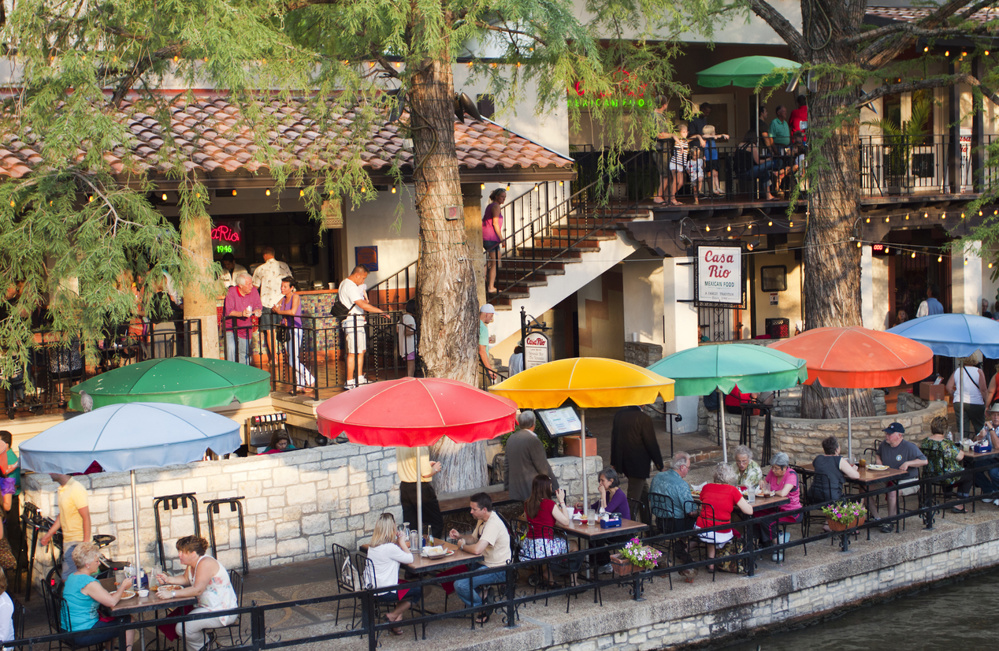
Austin’s dining scene has grown far beyond its legendary barbecue and tacos, now featuring thousands of restaurants representing cuisines from across the world. Classic smokehouses such as Franklin Barbecue still draw nationwide food tourism, while modern restaurants, chef-driven concepts, and diverse international eateries continue reshaping the city’s culinary identity.
Alongside iconic Texas staples, visitors will find Mediterranean cafés, Japanese sushi counters, plant-forward kitchens, and a thriving food truck culture that defines the city’s casual dining style. With hundreds of taco spots, dozens of food truck parks, and nationally recognized restaurants appearing in rankings and media lists, Austin has become one of the most influential food cities in Texas.
Signature Austin Dishes Every Visitor Should Try
Before exploring Austin’s diverse restaurant scene, it helps to understand the signature dishes that define the city’s food culture. Many visitors arrive specifically to experience these local specialties.
Breakfast tacos are perhaps Austin’s most iconic everyday meal. These soft flour tortillas are typically filled with scrambled eggs, potatoes, bacon, chorizo, or cheese and are served at taco shops, bakeries, and food trucks throughout the city. Restaurants such as Veracruz All Natural helped elevate the breakfast taco into a nationally recognized dish.
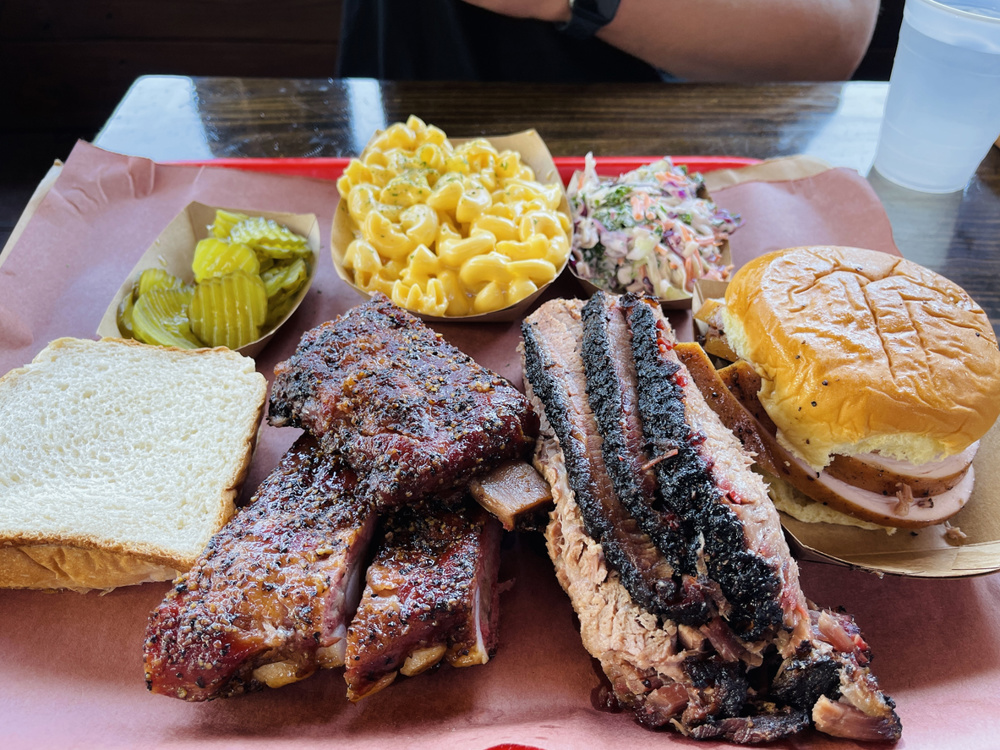
Texas brisket barbecue is another cornerstone of Austin’s culinary reputation. Pitmasters slow-smoke beef brisket for hours over oak wood until the meat develops a dark crust known as “bark” while remaining tender inside.
Visitors should also try queso, a melted cheese dip often served with tortilla chips and topped with ingredients such as ground beef, guacamole, or pico de gallo.
Classic Tex-Mex enchiladas, typically filled with cheese, beef, or chicken and topped with chili gravy or red sauce, also remain a staple across many longtime Austin restaurants.
Together, these dishes represent the blend of Texas barbecue traditions and Mexican culinary influence that helped shape Austin’s modern food identity.
Austin’s New and Notable Restaurants
Austin’s culinary landscape continues to evolve as both homegrown restaurateurs and national brands open new locations across the city.
Seafood concepts such as Clark’s Oyster Bar in Clarksville and newer raw-bar focused restaurants have helped expand Austin’s seafood scene despite the city’s inland location. Long-established institutions like The Driskill Grill, located inside the historic Driskill Hotel downtown, remain staples for classic Texas fine dining with steaks, seafood, and refined service.
Modern Mexican cuisine continues to grow as well. Restaurants connected to the team behind Fonda San Miguel have expanded Austin’s reputation for regional Mexican flavors, while casual taco restaurants such as De Nada Cantina on East Cesar Chavez and Nixta Taqueria bring chef-driven creativity to everyday street food.
Plant-forward dining is also becoming more visible. Nationally recognized vegetarian restaurants such as The Butcher’s Daughter have opened Austin locations, while local favorites like Bouldin Creek Cafe continue to anchor the city’s long-standing vegetarian dining culture.
Top-Rated Austin Restaurants on Yelp’s National Lists
Austin restaurants frequently appear on national ranking lists compiled from user reviews and dining trends. Several Austin establishments have appeared on Yelp’s Top 100 Restaurants in the United States lists in recent years.
Highly rated local favorites include:
- Bird Bird Biscuit – Known for its indulgent fried chicken biscuits and creative breakfast sandwiches
- Whip My Soul – A soul food restaurant serving Southern comfort classics such as fried catfish, mac and cheese, and collard greens
- Nixta Taqueria – A modern taqueria known for house-made heirloom corn tortillas and inventive taco fillings
Nearby suburbs also contribute to the region’s culinary reputation. Restaurants such as Sushi Yume in Round Rock have earned national recognition for sushi and omakase dining.
These rankings often reflect consistent customer reviews, strong local followings, and restaurants that combine quality food with welcoming service.
Best Middle Eastern, Japanese, and Mediterranean Restaurants
Austin’s international dining scene continues to grow as new immigrant communities and creative chefs bring global flavors to the city.
For Mediterranean and Middle Eastern cuisine, popular destinations include Aba Austin, known for its modern Mediterranean small plates and rooftop dining atmosphere. Phoenicia Bakery & Deli has served Middle Eastern groceries and prepared foods in Austin for decades, while restaurants such as Peace Bakery & Deli specialize in Lebanese and Mediterranean classics.
Japanese cuisine also holds a strong presence in Austin. Restaurants such as Uchi and Uchiko, created by chef Tyson Cole, have earned national acclaim for modern Japanese cuisine and sushi tasting menus. Smaller sushi bars and ramen shops across the city provide more casual options.
These restaurants reflect the growing diversity of Austin’s culinary landscape beyond traditional Texas fare.
Why Austin Dominates America’s BBQ and Taco Culture
Despite its expanding international food scene, Austin remains one of the most celebrated cities in the United States for barbecue and tacos.
Legendary smokehouses such as Franklin Barbecue, La Barbecue, InterStellar BBQ, and LeRoy and Lewis Barbecue regularly appear on “best BBQ in Texas” and “best BBQ in America” lists. Many of these restaurants have also received recognition from Texas Monthly’s influential barbecue rankings.
Austin’s taco culture is equally influential. Breakfast tacos are a daily ritual for many locals, and restaurants such as Veracruz All Natural, Valentina’s Tex Mex BBQ, and Nixta Taqueria have helped elevate the humble taco into a signature Austin dining experience.
This blend of traditional techniques, chef-driven creativity, and local food culture has helped establish Austin as a national destination for barbecue and tacos.
Essential Austin Restaurants Visitors Should Know
Certain restaurants have become must-visit culinary landmarks for anyone exploring Austin’s food scene.
Franklin Barbecue is one of the most famous barbecue restaurants in the United States. Known for its expertly smoked brisket, the restaurant regularly draws long lines of diners eager to experience its award-winning barbecue.
For modern Japanese cuisine, Uchi is widely considered one of Austin’s most influential restaurants. Created by chef Tyson Cole, the restaurant helped redefine sushi dining in Texas through innovative tasting menus and seasonal ingredients.
Breakfast taco lovers frequently seek out Veracruz All Natural, a family-run restaurant that gained national attention for its fresh tortillas and signature migas taco.
Another local favorite is Torchy’s Tacos, which began as a small Austin food trailer before expanding into multiple locations while maintaining its reputation for creative taco combinations.
These restaurants represent the range of Austin’s culinary identity—from legendary barbecue joints to innovative chef-driven kitchens.
From Food Trucks to Fine Dining: Austin’s Expansive Restaurant Scene
Austin’s restaurant landscape ranges from casual food trucks to award-winning fine dining restaurants.
The city is home to hundreds of food trucks and trailer parks, many of which operate in clusters with shared seating areas and outdoor patios. These food trucks serve everything from breakfast tacos and barbecue to Thai noodles and Venezuelan arepas.
At the other end of the spectrum, Austin’s fine dining scene continues to expand with tasting-menu restaurants, chef-driven kitchens, and restaurants recognized by the MICHELIN Guide Texas, which began covering the state in 2024.
Neighborhoods such as Downtown, East Austin, South Congress, and North Loop have become dining hotspots, each offering distinct culinary styles and atmospheres.
Food Halls and Culinary Market Culture
In recent years, Austin has embraced the growing popularity of food halls and shared dining markets, where multiple restaurants operate under one roof.
One of the most notable examples is Fareground, located in downtown Austin. This modern food hall features several local chefs and rotating culinary concepts, allowing visitors to sample a variety of cuisines in one location.
Food halls often include indoor seating areas, bars, and outdoor patios, making them popular gathering places for both locals and visitors.
These venues reflect Austin’s evolving dining culture, where casual dining, chef experimentation, and social gathering spaces combine in a single destination.
How Food Trucks Became Austin’s Restaurant Incubators
Austin’s food truck culture has played a major role in shaping the city’s restaurant industry. Mobile food vendors allow chefs to test new ideas with lower startup costs compared to opening a full restaurant.
Successful concepts often begin as trailers before expanding into permanent locations. One of the most famous examples is Chi’Lantro BBQ, which started as a food truck combining Korean flavors with Texas barbecue before growing into multiple brick-and-mortar restaurants.
Food trucks remain an important part of Austin’s identity. Many operate at dedicated parks such as The Picnic food truck park near Barton Springs Road, while others cluster in neighborhoods across the city.
These mobile kitchens continue to serve as innovation labs for Austin’s evolving food culture, allowing new chefs to experiment with creative cuisines and unique menu ideas.
Austin’s Neighborhood Food Districts
Austin’s dining scene is strongly shaped by neighborhood food districts, where clusters of restaurants, bars, and food trucks create unique culinary identities.
East Austin has become one of the city’s most dynamic dining neighborhoods. Once known primarily for food trucks and casual eateries, the area now features chef-driven restaurants, breweries, and cocktail bars alongside long-standing local establishments.
South Congress Avenue, often called “SoCo,” blends restaurants, cafés, and food trucks with live music venues and boutique shops. Visitors can easily spend an afternoon exploring restaurants, coffee shops, and dessert spots within a walkable stretch of the avenue.
The North Loop neighborhood has also developed a reputation for eclectic dining, vintage shops, and independent cafés. The area’s relaxed atmosphere and mix of longtime eateries and newer restaurants make it a favorite destination for locals.
These neighborhood clusters highlight how Austin’s food culture is deeply connected to walkable districts and community gathering spaces.
Farmers Markets and Austin’s Farm-to-Table Culture
Austin’s food culture is closely tied to local farms, seasonal ingredients, and farmers markets.
One of the most popular markets is the Texas Farmers’ Market at Mueller, which takes place weekly and features local farmers, ranchers, bakeries, and prepared food vendors. Visitors can find everything from fresh produce and grass-fed beef to handmade cheeses and baked goods.
Another well-known market is the SFC Farmers’ Market Downtown, operated by the Sustainable Food Center. This market has served Austin residents for decades and highlights local agriculture from across Central Texas.
Many Austin restaurants participate in the city’s farm-to-table movement, sourcing ingredients directly from nearby farms and seasonal markets. This connection between restaurants and local producers plays a major role in shaping Austin’s evolving culinary identity.
Austin’s Craft Beverage Scene
Austin’s food culture extends beyond restaurants to include a thriving craft beverage scene.
The city is home to numerous craft breweries, many of which operate large outdoor beer gardens where visitors can enjoy local beer alongside food trucks and live music.
Cocktail bars across neighborhoods such as East Austin and downtown have also helped elevate the city’s mixology scene, featuring creative drinks made with house-made syrups, regional spirits, and seasonal ingredients.
Austin’s specialty coffee culture is equally influential. Local roasters and cafés emphasize small-batch roasting and high-quality beans, making coffee shops important gathering places throughout the city.
Together, these breweries, cocktail bars, and coffee shops round out the broader experience of Austin’s vibrant food and beverage culture.